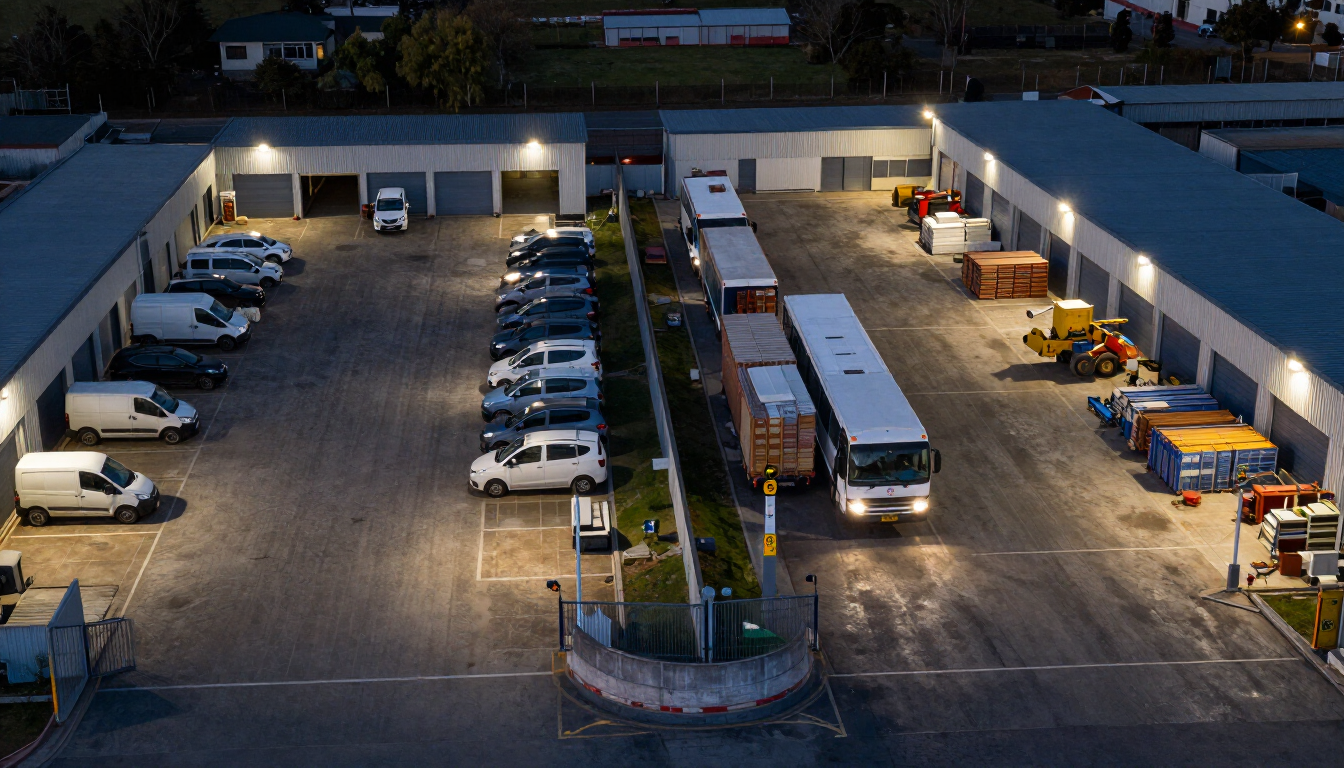
1. Work out how much usable space you need
Separate the space needed for storage from the area needed for loading, turning, staff parking and access. Ask whether the quoted yard area is measured, approximate or shared with other occupiers. Mark out the required layout if several activities will happen at once.
2. Check access and vehicle movements
Consider the length, height and weight of the vehicles that will use the site. Check gate widths, turning circles, visibility at the entrance and whether vehicles can enter and leave without blocking other occupiers. If deliveries arrive at set times, find out whether the access arrangements can support them.
3. Look closely at the surface and drainage
Walk the whole yard. Look for uneven areas, standing water, worn surfacing and changes in level. Ask about drainage, maintenance responsibilities and any restrictions on storing heavy equipment or materials. A surface that works for vans may not suit loaded HGVs or heavy plant.
4. Match the site to your operation
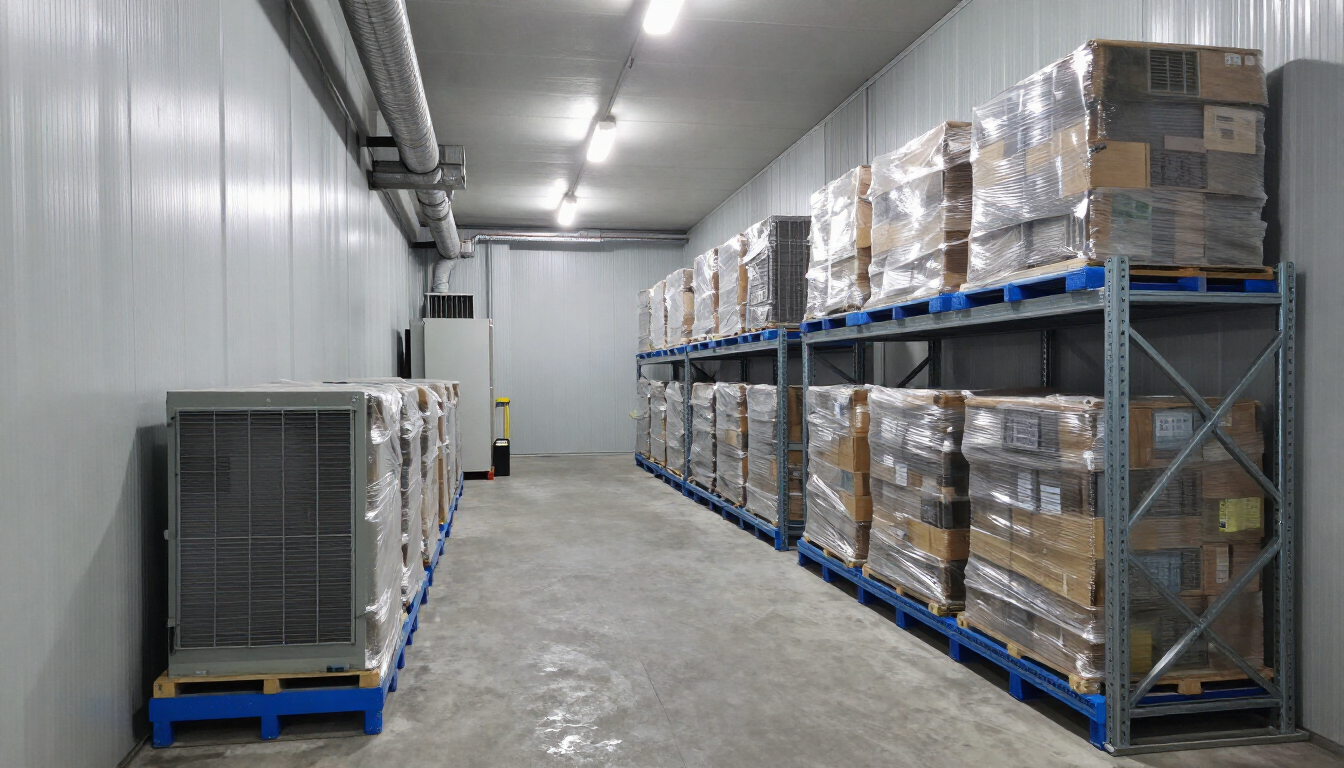
Think about the type and height of goods you plan to store, how frequently they will move and whether they need to be protected from weather or theft. Check the permitted use, any site rules and whether lighting, power, water or welfare facilities are available. Confirm the position before signing a lease.
5. Understand security and shared areas
Ask who controls the gate, whether access is available outside normal business hours and how keys or codes are managed. Find out whether CCTV, lighting or patrols are provided, and which areas are shared. Read the lease and estate rules to understand who maintains boundaries, roads and common space.
6. Compare the full cost
The rent is only one part of the decision. Ask about service charges, insurance contributions, repairs, utilities and any cost of adapting the unit or yard. Check the lease length, break options and repairing obligations with your solicitor before agreeing.
A yard should fit the job
North360 recently completed a letting of 0.5 acres of concrete yard space at Olivers Place in Fulwood, Preston. The instruction included plots of different sizes, illustrating why a business should be clear about the space it needs rather than assume that more land is always better.
When enquiring about an industrial unit with yard space, share your preferred location, required area, vehicle types, intended use, operating hours and target move-in date. North360 works with occupiers and property owners across the UK and can help you assess whether a unit and its yard are a practical match.